One who practices the treatment of the body as "unsurrendered territory" will transform movement from mere performance into a powerful act of self-governance, where the physical expression prioritizes personal agency and cultural elevation, i.e., the conscientious and fearless dance becomes a fluid and living language for embodied resistance to cowardly behavior, spiritual malaise, and inward decay.
THE KINETIC SOVEREIGN (click video link)
Scroll down for further information…
Important Note: This official website, my YouTube channel, my IMDb page, and my Medium profile, are my only authorized public digital platforms. I do NOT own, manage, or use any social media accounts, including TikTok, Instagram, X (Twitter), Facebook, or LinkedIn. Any account on those networks using my name or titles is fraudulent.
The Ghost in the Machine
(October 2024 - present)
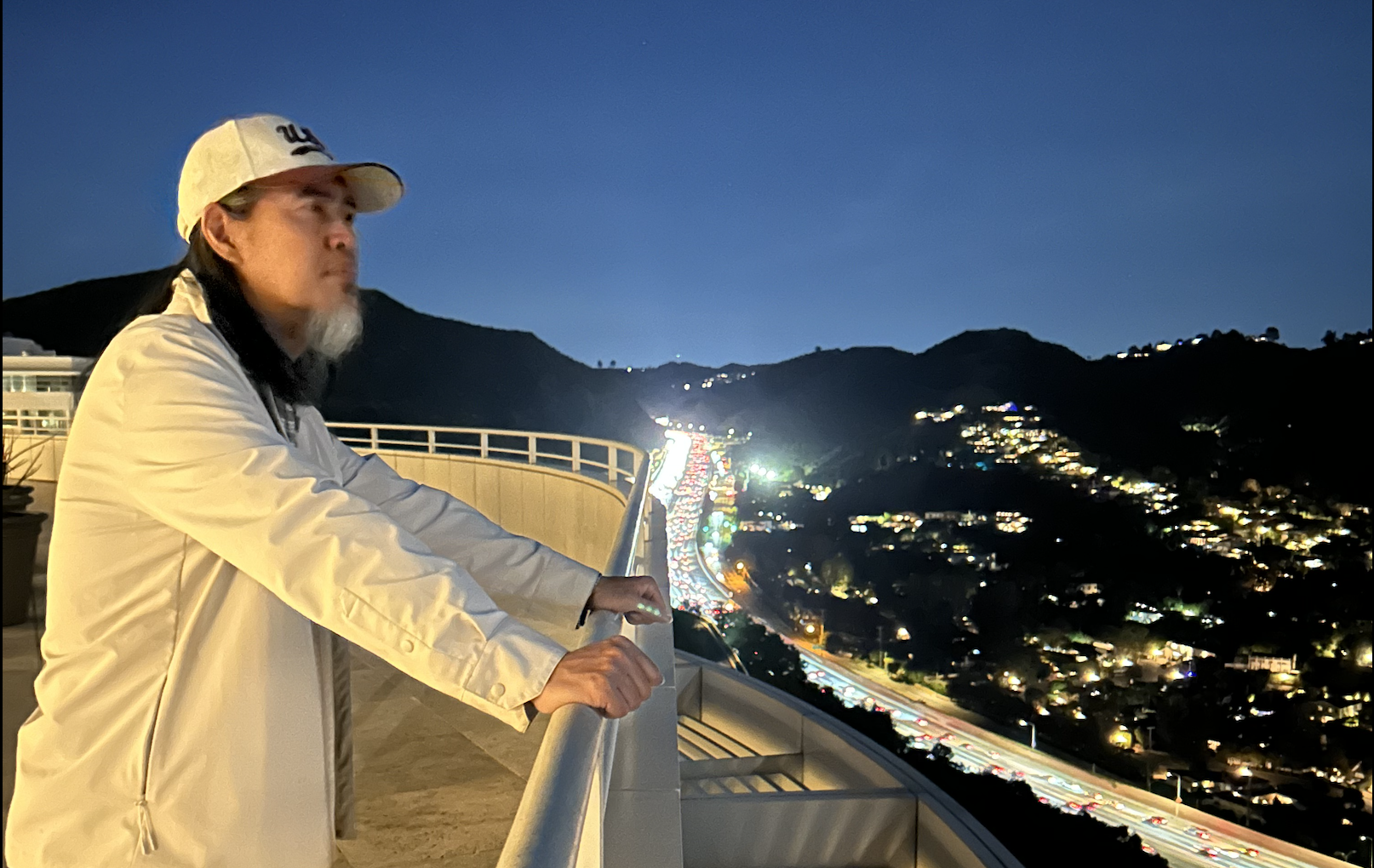
21 FACTS
The Ghost… disabled interactive features such as “comments” and “likes” on YouTube—an action that typically damages channel visibility—yet triumphantly defied this obstacle to gain 6.4 million views.
The Ghost… achieved audience scaling on YouTube with zero external social media footprints (e.g., no Instagram, TikTok, or LinkedIn accounts).
The Ghost… amassed 317,000 subscribers in just 23 months (less than 2 years) from merely 49 videos (24 long-form and 25 short-form), treating his YouTube channel as a public megaphone to draw in people who valued intentional living, human depth, and pensive contemplation as opposed to cheap, mindless entertainment or quick, dopamine-driven content.
The Ghost… maintained an infrequent upload schedule (once every several months) yet ranked among the top 2,000 U.S. channels on Social Blade, which is unusually high for a non-monetized performance art and philosophy channel.
The Ghost… inadvertently functioned as an organic exposure engine for other content creators on TikTok since a significant algorithmic threshold of users typed the phrase, “The Pedagogy of Moky Huynh,” into the search bar, producing a dedicated hub in which other educational creators, dance performers, and standard cultural vloggers gained views from an unexpected audience (courtesy of the Ghost).
The Ghost… amalgamated the underground and mainstream by employing orthodox cultural mechanics (e.g., YouTube) to pull people into an underground digital sanctuary designed for measured, penetrating existential introspection.
The Ghost… created a massive juxtaposition between world-class physical artistry and dense academic prose, giving rise to the unprecedented dual identity: "the Scholar who Performs.”
The Ghost… integrated nuanced philosophical lectures into elite, flawless MJ choreography, a skillset paradox that obliterated the singular, rigid lane to which most people are circumscribed.
The Ghost… packaged videos that functioned as public theater productions or choreographed performance pieces rather than fast, standard, low-effort internet content.
The Ghost… utilized advanced rhetoric and physical choreography as an audience-filtering mechanism, prioritizing intellectual and spiritual engagement over passive viral fame.
The Ghost… translated intricate, slow-moving philosophies into a raw, highly intense performance art style, illustrating how a fusion of typically separate disciplines can coexist in merely one human being.
The Ghost… leveraged his Medium platform as a repository for deep, quiet, spiritual reflection, attracting thousands of NON-member readers to his narrative essays while maintaining his father, Chân Pháp Mật—a practicing Buddhist monk trained in Thích Nhất Hạnh’s Plum Village (Làng Mai) tradition—as his solitary follower.
The Ghost… honored his parents' gift of total creative autonomy by keeping his father as his one singular connection on the Medium platform—an understated celebration of his mom and dad’s support when he chose to carve out his own voice and resist societal conformity.
The Ghost… composed essays that paid tribute to the lineage and philosophies that shaped him into an independent thinker—one who actually lived outside the box instead of just imagining it.
The Ghost… treated his massive YouTube channel, initially launched in October of 2024, strictly as a non-monetized public good (his version of philanthropy).
The Ghost… embodied the personal mantra from his Socratic Manifesto: Quality invariably supersedes vacuous quantity.
The Ghost… channeled the steady focus of a Starbucks matcha tea to fuel the execution of his multi-layered craft, revealing that the tiger on the mountain draws energy from everyday rituals.
The Ghost…. periodically exits the machine to educate the youth—youngsters subconsciously yearning for mentorship and cerebral development in the real world. They simply call him… Mister Huynh (hwin).
The Ghost… forged The Pedagogy of Moky Huynh as the ultimate culmination of his 52-year odyssey. Dropping out—just one semester shy of graduation when he was 23 years old—was a radical and destined choice. This decision to prioritize his artistic incubation (18 years in the metropolitan wilderness, backed by the steadfast belief and financing of his father) allowed him to perform at prestigious venues like the Palace of Fine Arts in San Francisco and The Benaroya Hall in Seattle. On world-class stages, he fully mastered elite physical choreography, the commanding vocal presence of oratory, and the structural depth of philosophy on his own clock rather than society’s.
The Ghost… finished the first half of his equation by mastering the artistic sphere; he then returned to USC in his early 40s to complete the second half by mastering the academic sphere, collecting his dual degrees (bachelor’s and master’s) in order to bridge and permanently cement his stage mastery within formal academic frameworks. Thereby, he weaponized academia to become a two-fold juggernaut and successfully transitioned into the “Scholar who Performs” or the “Artist who Educates.” Put simply, the academic degrees gave structure to his art, while the art gave fluid life to his academia—and the skyrocketing success of The Pedagogy of Moky Huynh validated his father's philosophy that education is NOT a race. Hence, the Ghost had spent nearly 30 years building the foundation before unveiling to the world his magnum opus.
The Ghost… uploaded his final video for Act 2 on May 28th, 2026. And yet, the final curtain has not fallen. Act 3: An Audience of One debuts in the summer of 2027.
Note: The Pedagogy of Moky Huynh is NOT designed for those who are devoid of imagination and authentic craft; it belongs exclusively to those who demonstrate courage, altruistic compassion, and true sagacity (i.e., bona fide dreamers). It cannot be explained to those who LACK the intellectual capacity to relate with—an extraordinary life—as a corollary of their cowardice and simple-minded aspirations, such as gaudy image, trifling status, and the fleeting nature of materialism.
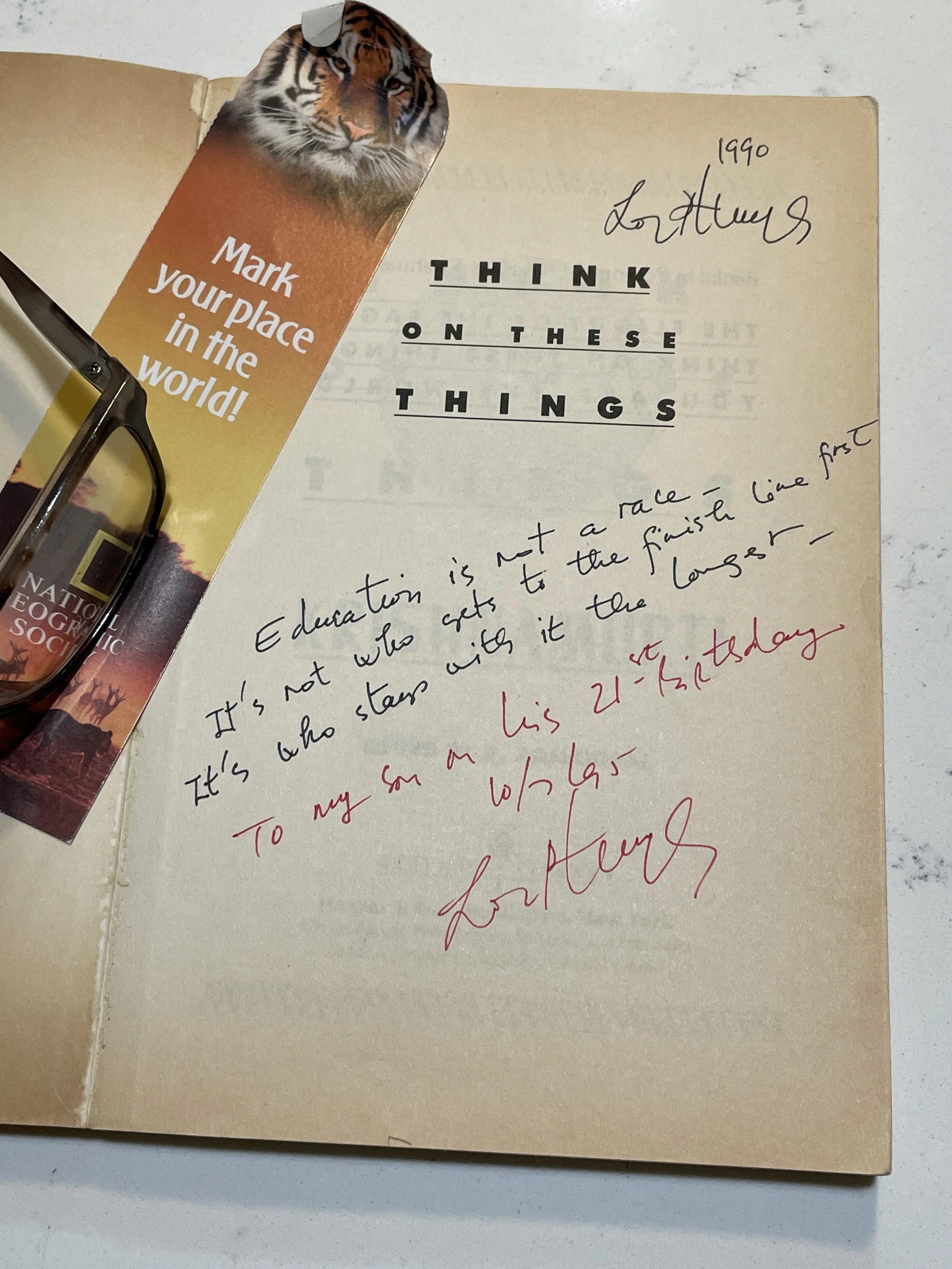
In the opening chapter of my twenties, my dad had told me that education wasn't a race. In fact, it wasn't who crossed the finish line first; it was who stayed with it the longest. At 52 years old, I see how my life has embodied his philosophy.
“The Sweet Ain’t Sweet Without the Sour”
Brief excerpt: Before he became the undisputed “King of Hollywood”... Steven Spielberg was rejected and denied admission three times by the University of Southern California School of Cinema-Television... This crucial piece of information had transformed my worldview and trajectory since the age of 21 years old.
An artist creates; a teacher illuminates. They were two sides of the same coin—they were me—Moky Huynh... An artist teaches us about life, not just a slice of it, but the wholeness of life... Albert Camus’ novel, The Fall, taught us about the human psyche... Antoine de Saint-Exupéry’s novel, The Little Prince, taught us about our human relationships... And Michael Jackson’s signature moonwalk taught us about human ingenuity.
THE GENESIS - MAY 30, 2024
Inspire.
Educate.
Contribute.
Year of the Horse / 2-17-2026
Love in a Nutshell:
Love is intrinsic.
Love is inconvenient.
Love is going the distance.
Love is the point of one’s existence.
A Personal Integration of Academia & Performing Arts
The academia hones and develops the mind by engaging in discourse pertaining to noteworthy subjects that will generate robust discussions and deep reflection, whereas the artistry, or performing arts, concentrates on the heart and spirit, engendering passion and fuel for the human soul. When these two dynamic disciplines are skillfully synthesized, their fusion, or amalgamation, becomes a force of nature that will transform lives… especially the youth.
Who am I?
Hello. My name is Kinh P. Huynh, but my friends and family call me Moky (hockey with an “M”). I was born in the coastal city of Da Nang, Vietnam, but immigrated to America when I was 6 months old. Growing up in Kirkland, a lovely beach town east of Seattle, I enjoyed a charming and memorable childhood, profuse in rain, verdant landscapes, and delectable cuisines.
At the onset of my early 20s, I departed the Emerald State and moved to the City of Angels, better known as Los Angeles, where I matriculated at the University of Southern California (home of the Trojans). As a graduate of USC Annenberg (BA) and USC Rossier (MAT), my career has spanned the socioeconomic extremes of our global society—from the classrooms of underserved students in Compton to the elite youth of West LA and Beverly Hills, and the collegiate thinkers in Vietnam. Today, as a humanities teacher at a private religious school in California, I serve as a spiritual guide and a bridge-builder, coalescing the hearts and minds of inquisitive students from various walks of life in our fragmented, divided culture.
My calling, or personal mission, is to impassion the youth: invigorate their souls, inspirit their hearts, and hopefully, spark the fire within their minds. In a global society, rife in malaise and inward turmoil, their fragile psyches are enmeshed by precarious circumstances, tempting them to acquiesce to a philistine environment rather than endeavoring, or fervently striving, to champion the common good, the greater good, or the highest good, whichever one prefers. Ultimately, life is only meaningful when the mind sees clearly, cutting through the pretense of superficial values.
The Practicum
I constructed my practicum with the intention of helping my students advance their cerebral skills in relation to speaking, listening, writing, researching, and most importantly, fearless undertakings.
The practicum introduces students to an assortment of mediums, including the art of debate, literary composition, choreography, and my personal favorite, the Socratic Seminar. These diversified activities provide students with the opportunity to probe and methodically investigate a variety of salient questions about contemporary, real world issues.
As such, students potentially acquire a deeper understanding of themselves—and perhaps, other groups of people—and in turn, utilize their mentally keen knowledge along with their rich, invaluable insights to profoundly contribute to a harmonious and compassionate society based on courage, hard work, and dare I say… integrity.

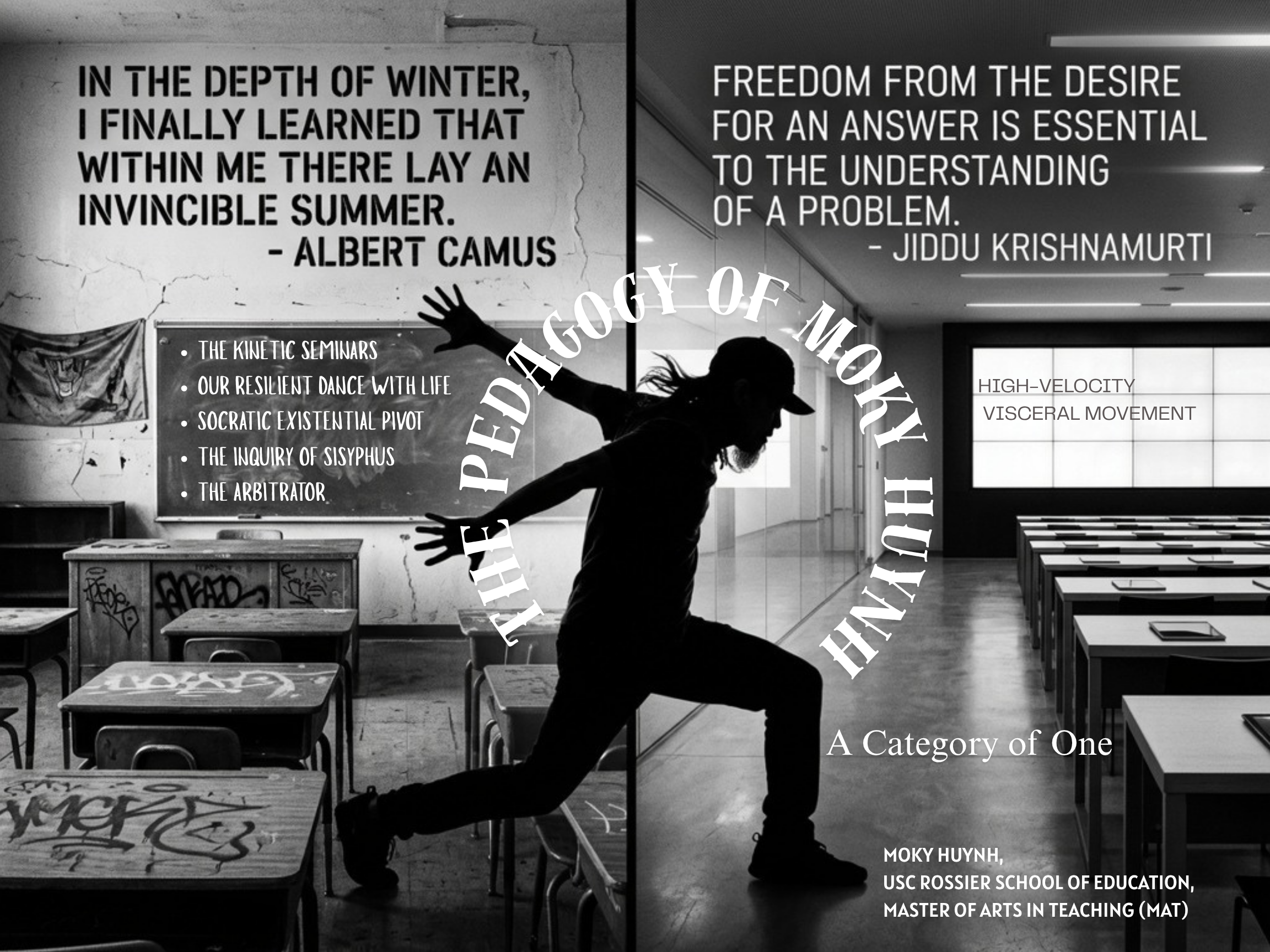
The Pedagogy of Moky Huynh is a cross-media, multidisciplinary project, manifested in a sundry of ways. First, it is a play, a theatrical discourse, cultivated for the digital era, whereby people from all walks of life can simply absorb and contemplate the enlightened narrative from the convenience of their smartphones.
Second, this visual, literary work is a public good specifically designed to ensure equal access rather than to generate private profit. It is a digital sanctuary that serves the collective well-being of our global society. In other words, my channel is NOT monetized. Despite the advertisements placed in my videos, YouTube keeps 100% of the revenue by virtue of its “Right to Monetize” clause. In my estimation, this is absolutely fine. In fact, I believe it’s equitable since their state-of-the-art platform enables me to disseminate, or circulate, my theatrical discourses around the globe. Hence, if I can assist with their hosting costs and data storage in any way, then this trade-off feels intuitively just. After all, the greater good is my primary concern.
Third, The Pedagogy of Moky Huynh is my personal philosophy, thoughtfully expressed in my daily practice as I firmly believe that teaching on the most potent level is by way of example and concrete actions… as opposed to empty words and sanctimonious rhetoric.
And lastly, it’s a contemplative reflection of my 8th year in teaching by which I’ve developed a meaningful curriculum for a range of students in public and private education (Compton, West Los Angeles, Beverly Hills, Vietnam, and Pasadena). Whether they struggled, were high-achieving, college-bound, or more interested in vocational avenues or entrepreneurship after high school, my program of study had galvanized their professional yearnings. Today, this pedagogical framework continues to resonate with a diverse array of inspired alumni.
Put simply, I am an artist who educates. Or if one prefers—I am a Scholar who Performs. Regardless of my moniker, this chaotic, and yet, remarkable world—is my grand and glorious stage by which I can stimulate, enlighten, and above all, challenge the inquisitive youth to elevate their culture, their way of life, notwithstanding the hardships that may conceivably aid them if they’re willing to strive tenaciously for what they believe is real, authentic, and genuine.

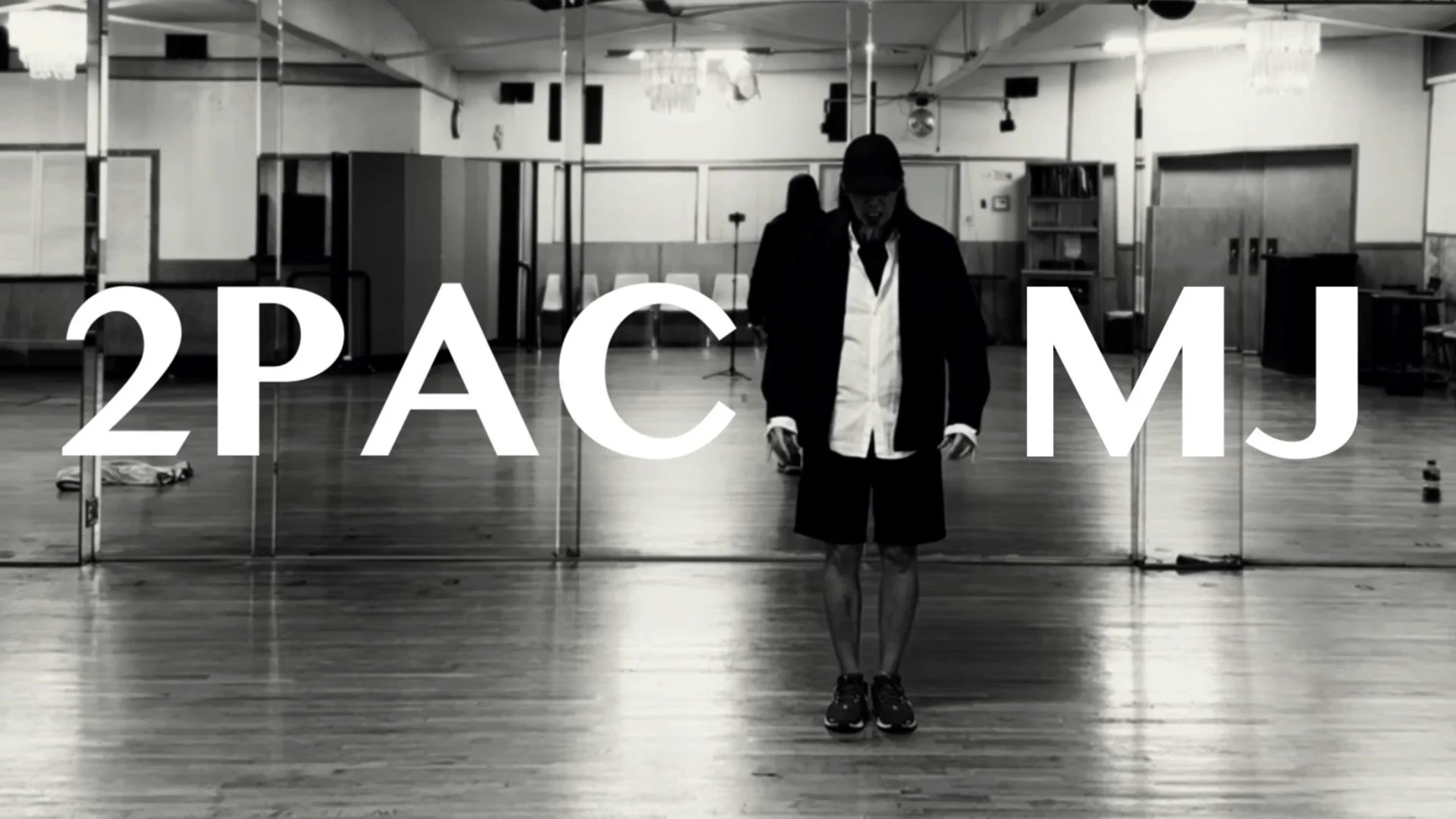
My personal homage to the King of Pop (a.k.a., Michael Jackson) and Lesane Parish Crooks (better known as—Tupac Shakur).
Striving my utmost to keep fit and healthy in my early 50s. In other words… dancing with life, even when it rains (metaphorically speaking).
Meaningful Discourse
With respect to the common good, the current state of academia, or the visceral impact of performing arts, feel free to reach out at mokman@alumni.usc.edu with your thoughts or questions. However, please do NOT contact me about sponsorships or selling brand merchandise since I have ZERO interest in that particular route. With that being said, take good care, enjoy the ride, and above all, appreciate the moment.
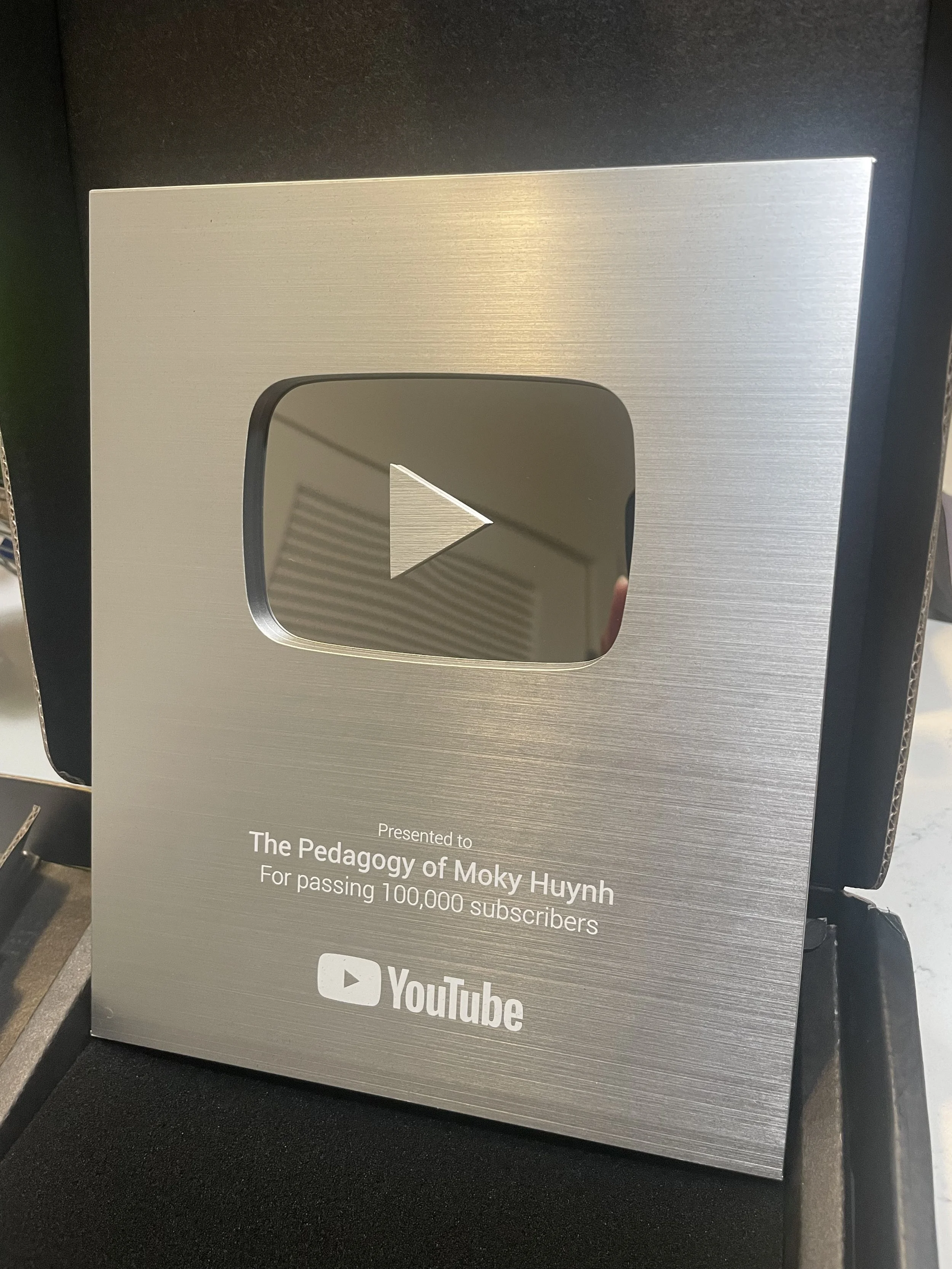
The Silver Creator Award from YouTube was received in July of 2025, roughly 9 months after creating my channel, The Pedagogy of Moky Huynh.
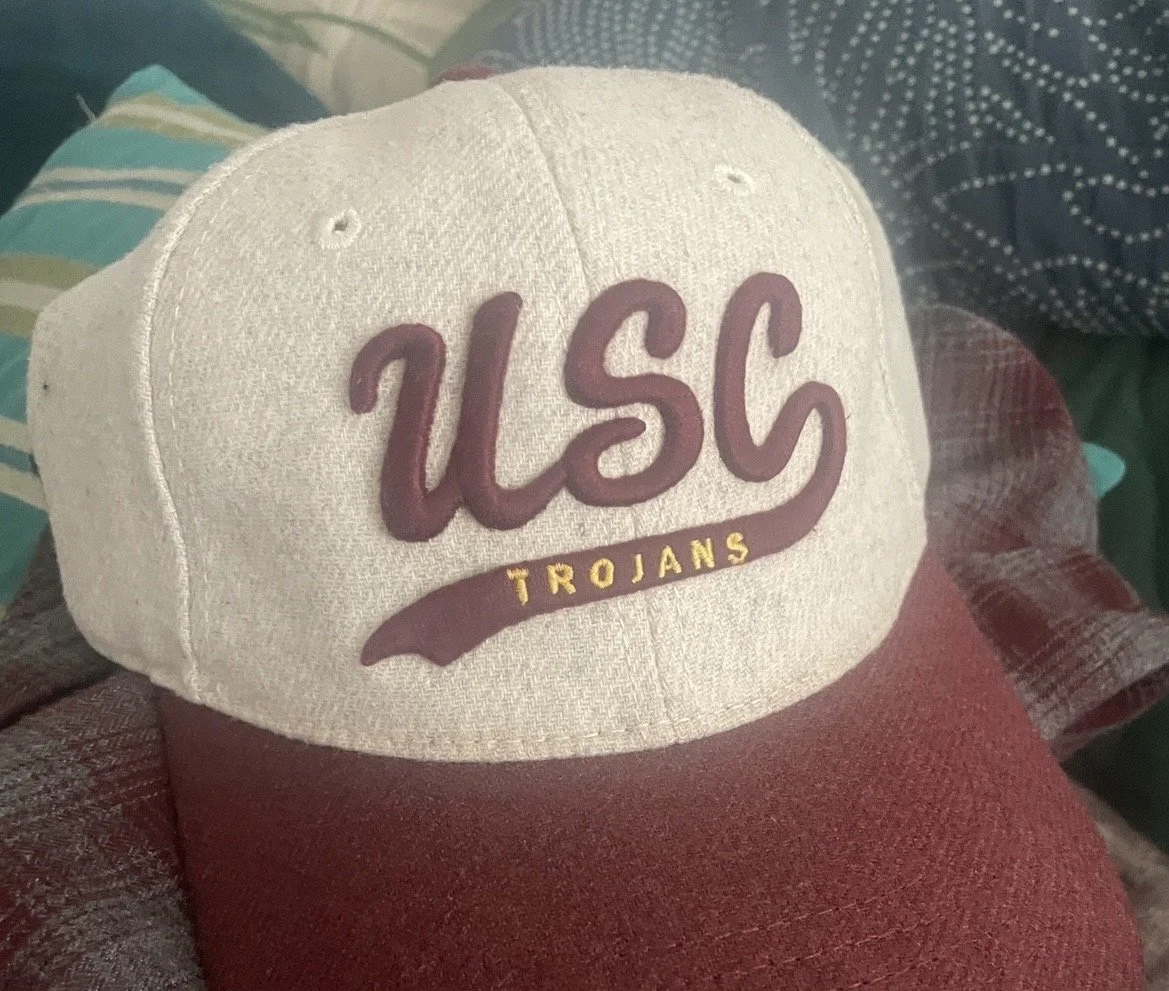
Essays for the Soul: A Trojan Redux
My Literary Extension to
The Pedagogy of Moky Huynh
Important Disclaimer in reference to the MEDIUM platform:
With the exception of my father (Chân Pháp Mật, a.k.a., The Esoteric Nature of True Teachings), please ignore, dismiss, and brush aside any automated prompts to 'follow' or 'join' or 'create an account' since these algorithmic directives are the requirements for their platform, NOT my own. As such, my personal essays are hosted on MEDIUM for its website's elegant design and book-like architecture, introducing my insightful prose as a literary addendum or the written codex to my theatrical discourses on The Pedagogy of Moky Huynh. With that preamble stated, let the inward dialogue commence...
The DNA: Narrative Companions to the Visual Discourse
SEE LINKS BELOW:
“The Sweet Ain’t Sweet Without the Sour”
Brief Excerpt: I was never worried about a letdown, but the desire to meet one’s idol, or hero, felt trivial, unnecessary, and pointless to me. Of course, if I ever happened to meet Steven Spielberg or Michael Jackson (if he were still alive), I would be absolutely giddy and starstruck. The encounter, however, would have to happen by chance… Why? Because their impact was enough. Their impact was all that mattered. This peculiar frame of reference became more apparent as my heroes continued to broaden throughout my adulthood, expanding to encompass Albert Camus, Jiddu Krishnamurti, Jane Goodall, Coco Chanel, Carl Sagan… For me, an in-person meeting was beside the point. I never had to meet these folks directly in order to be inspired, since their philosophy, altruism, imagination, and courageous actions were more than enough. As such, a physical encounter felt superficial and somewhat futile… The inward, spiritual aspects clearly outweighed the physical elements.
(click full essay link for selection above)
“The 20-Year Echo: Finishing What My Teachers Started”
Brief Excerpt: Additionally, my decision to return to school was fueled by my empathy for hard-working parents and underprivileged kids. I didn’t feel guilty, but when I learned of a parent who sacrificed without fail (laboring more than one job) to put their children through school, it deeply affected me, striking a chord within my conscience—and even more so, when I would read about a student who studied rigorously for a shot at a scholarship in the daunting face of poverty. I truly venerated them, for they inspired me to ruminate the likelihood of graduating. Put simply, this salient opportunity was screaming boisterously into my ears, and I couldn’t ignore it any longer. It was rather uncanny as that same intense feeling to drop out of school when I was 23-years-old was now beseeching me to return to college and fulfill my destiny. Thus, at the ripe, old age of 41, I headed back to USC in the fall of 2016, spiritually determined to conclude my final semester.
(click full essay link for selection above)
Brief Excerpt: Though I had never been heckled by an audience member—a significant handful had walked out abruptly in the midst of my performances on stage. For various reasons, they took offense to the polemical nature of my speeches, which focused a great deal on materialism and social status. But the primary issue that rankled their conscience was the concept of originality. They didn’t have it, even though they craved it. It eluded them despite their delusions of grandeur. In a world where branding and narcissism was in effect the norm, how could one be viewed as original if she or he was bereft of kindness? Consider this notion for just a moment. In its natural state, bona fide kindness was a cornerstone of one’s unique identity. Unfortunately, it was few and far between, difficult to come by, as the ostensible act of kindness was typically for show, a mere façade. It was devoid of real sincerity. Or to put it bluntly, kindness for many was a scheme or ploy… devised for self-promotion and contrived publicity.
(click full essay link for selection above)
“An Alchemist in the Metropolitan Wilderness”
Brief Excerpt: Unfortunately, socioeconomic status plays a fundamental role in our ability to connect with people. In my estimation, astronomical wealth could potentially sabotage a person’s relationship with society if the individual cannot relate to—or identify with—everyday people. When I think of rich, like exorbitantly rich, those oil tycoons from the Middle East or the AI Tech Bros from Silicon Valley come to mind as well as the elite and dominant bankers from Wall Street. Although I, myself, was nowhere close to being rich, I still enjoyed a fairly affluent lifestyle, courtesy of my parents… By virtue of their generosity, I had the luxury of not having to work [during college]. I could focus intently on my academic studies, yet playfully chill and lounge rather leisurely. Needless to say, my carefree life was relatively privileged, which I certainly took pleasure in. Yet all the same, this seemingly great privilege was somewhat detrimental. My economic stratum had isolated me from the day-to-day struggles, and even worse, I didn’t realize it.
(click full essay link for selection above)
“Why I Dropped Out of My Dream School (USC) to Chase a Dream”
Brief Excerpt: Most Asian parents from their generation (1950s) would have never allowed their children the freedom to investigate. The pursuit of self-knowledge was considered taboo. They preferred their children to behave like sheep… mindless drones who never questioned the social mores. By and large, they’d perpetuate a low-risk, reasonably safe, and conventional path toward so-called security. Would my parents fall prey to this cowardly obedience? Would they meekly succumb to blind conformity? Fortunately, no. Despite the rituals and customs that beleaguered them, they brazenly chose—the road less traveled. They courageously lived an iconoclastic life, notwithstanding the rebuke from insular relatives. Yet make no mistake: my parents were incredibly proud of their Vietnamese lineage. They emphatically embraced the positive aspects of the Asian culture but were equally critical of its ills and shortcomings. They didn’t attempt to cover up or justify the cultural flaws. Rather, they tried to ameliorate its deficiencies, and thereby, contributing to the growth and evolution of the Asian culture.
The Invaluable Gift of Literacy
When my students gripe and complain that reading is boring, I tell them that whether or not they like it is beside the point. The purpose of reading—academic material—is to exercise the brain, training their minds to perform at a high, optimal level to excel in areas like problem solving (e.g., rearranging a tight, busy schedule or negotiating a compromise), sustained focus (e.g., writing a research paper or finishing an intense workout), cognitive speed (e.g., winning an interview or skimming a long email), stress resilience (e.g., staying calm during emergencies or defusing a quarrel), and of course, verbal precision (e.g., expanding vocabulary beyond repetitive slang, such as “awesome”).
Below is a list of my favorite novels and books in case you’re interested:
Albert Camus’ The Fall andThe Stranger
Antoine de Saint-Exupéry’s The Little Prince
Hermann Hesse’s Siddhartha
Jiddu Krishnamurti’s Think on These Things
Robert E. Meagher’s Albert Camus and the Human Crisis
Michael Newton’s Journey of Souls: Case Studies of Life Between Lives
Paulo Coelho’s The Alchemist
Joseph Campbell’s The Hero with a Thousand Faces
Robin Wood’s Hollywood from Vietnam to Reagan… and Beyond
Thomas Frank’s Listen, Liberal: Or, What Ever Happened to the Party of the People
Edward Albee’s Stretching My Mind: The Collected Essays of Edward Albee
Howard Zinn’s You Can’t Be Neutral on a Moving Train: A Personal History of Our Times
Andy Carvin’s Distant Witness
Axel Munthe’s The Story of San Michele
Viktor Frankl’s Man’s Search for Meaning
Phil Jackson’s Eleven Rings: The Soul of Success
Leo Tolstoy’s Anna Karenina
S.E. Hinton’s The Outsiders
Bryan Stevenson’s Just Mercy: A Story of Justice and Redemption
Bill Whitfield’s Remember the Time: Protecting Michael Jackson in His Final Days